

Top 30 Best Soil for Garden
Hello Readers, finding the best soil for garden success is an exciting journey for any plant enthusiast. The foundation of a thriving garden, whether it’s for vibrant flowers or bountiful vegetables, truly begins beneath the surface. With the gardening season of 2026 upon us, understanding the various garden soil types available and how they benefit specific plants can transform your landscape from ordinary to extraordinary. This guide will explore 30 excellent choices to help you cultivate the perfect environment for your green companions.
1. Loamy Soil
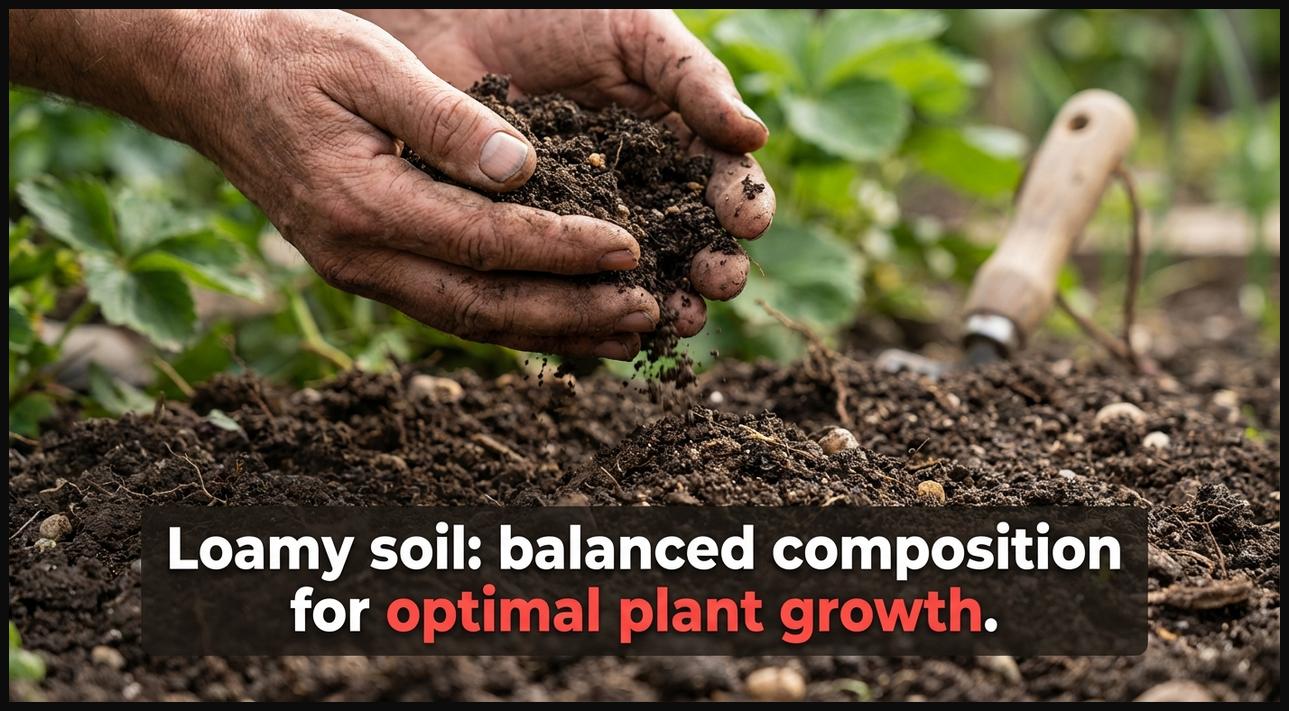
Loamy soil is often considered the holy grail for gardeners due to its balanced composition. It consists of a healthy mix of sand, silt, and clay, offering excellent drainage while retaining sufficient moisture and nutrients. This ideal structure supports robust root development and makes it easy to work with.
Its versatility means it’s suitable for a vast array of plants, from vegetables to ornamentals. For those looking at how to choose garden soil that provides a universal solution, a well-balanced loam is an exceptional starting point, fostering vigorous growth and overall plant health in 2026.
| Characteristic | Benefit |
|---|---|
| Balanced Texture | Excellent drainage & moisture retention |
| Nutrient Rich | Supports diverse plant types |
| Easy to Work | Ideal for general gardening |
2. Sandy Soil
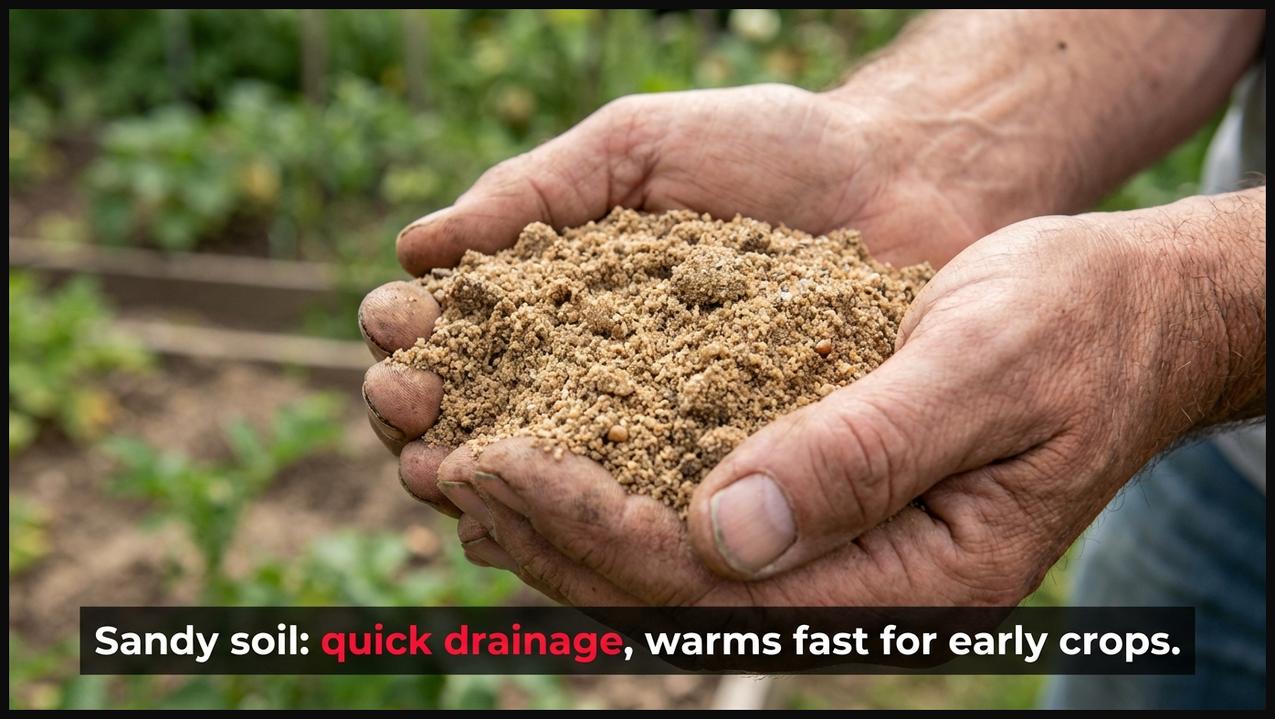
Sandy soil is characterized by its large particles, which allow water to drain very quickly. While this can be a challenge for moisture-loving plants, it’s excellent for root crops like carrots and potatoes that appreciate loose, well-aerated ground. It warms up fast in spring, benefiting early-season planting.
However, sandy soil often struggles with nutrient retention, as water leaches essential elements away. To improve its fertility and water-holding capacity, significant organic matter amendments are crucial. Understanding these garden soil types helps in selecting the right choice for specific cultivation goals.
| Characteristic | Benefit |
|---|---|
| Large Particles | Rapid drainage, good aeration |
| Warms Quickly | Beneficial for early crops |
| Low Nutrient Retention | Requires organic amendments |
3. Clay Soil
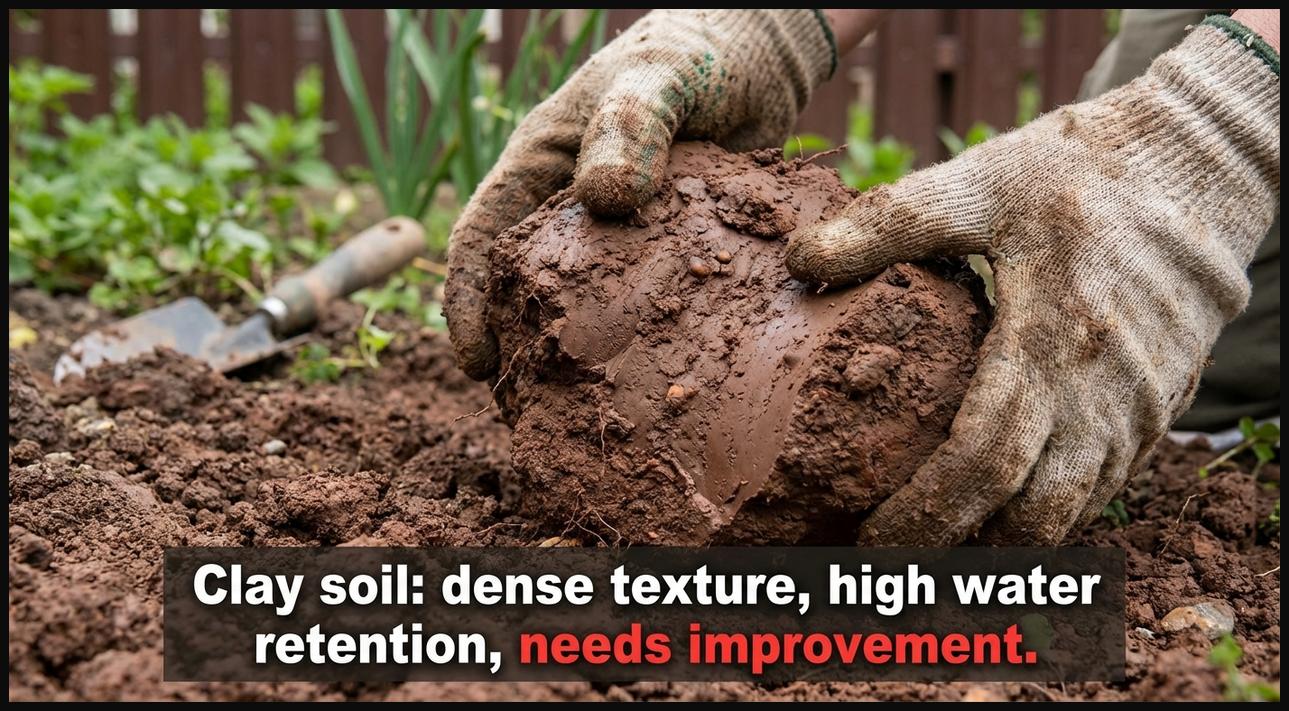
Clay soil features very fine, tightly packed particles, giving it a heavy texture that retains water and nutrients exceptionally well. This can be a double-edged sword: while beneficial for moisture-loving plants, it often leads to poor drainage and compaction issues, stifling root growth.
When dry, clay soil can become rock-hard, and when wet, it can be sticky and unworkable. Improving clay soil involves incorporating large amounts of organic matter like compost or gypsum to enhance its structure, aeration, and drainage, making it more hospitable for diverse plant life.
| Characteristic | Benefit |
|---|---|
| Fine Particles | High water & nutrient retention |
| Poor Drainage | Prone to compaction |
| Heavy Texture | Benefits from organic amendments |
4. Silty Soil

Silty soil is composed of medium-sized particles, falling between sand and clay, giving it a smooth, powdery feel. It boasts good water retention and fertility, often being more fertile than sandy soil and better draining than clay. This makes it quite desirable for many garden applications.
However, silty soil can also compact easily, especially when wet, leading to reduced aeration and drainage over time. Regular incorporation of organic matter is vital to maintain its friable texture and prevent it from becoming dense, ensuring healthy root development and soil structure.
| Characteristic | Benefit |
|---|---|
| Medium Particles | Good water retention & fertility |
| Smooth Texture | Easy to work with initially |
| Compaction Risk | Requires consistent organic input |
5. Peat Moss

Peat moss is widely used as a soil amendment, prized for its exceptional ability to retain water and improve soil structure. It’s particularly effective in sandy soils, where it significantly boosts moisture retention, and in clay soils, where it helps to loosen heavy textures. Peat moss is also sterile, making it ideal for starting seeds.
Despite its benefits, peat moss is highly acidic, so it must be blended with other materials, especially for plants preferring neutral or alkaline conditions. It’s an excellent choice for acid-loving plants and for boosting the overall water-holding capacity of various garden soil types.
| Characteristic | Benefit |
|---|---|
| Highly Absorbent | Excellent water retention |
| Acidic pH | Good for acid-loving plants |
| Sterile | Ideal for seed starting |
6. Compost

Compost is an organic gardener’s best friend, created from decomposed organic materials like leaves, food scraps, and yard waste. It’s a powerhouse for improving any soil type, enriching it with vital nutrients and beneficial microorganisms. Compost enhances soil structure, boosts water retention in sandy soils, and improves drainage in clay soils.
Regularly adding compost to your garden beds revitalizes the soil, creating a healthier environment for plant roots and reducing the need for chemical fertilizers. It’s undoubtedly one of the foundational garden soil types for sustainable gardening practices in 2026.
| Characteristic | Benefit |
|---|---|
| Nutrient-Rich | Feeds plants naturally |
| Improves Structure | Enhances drainage & retention |
| Boosts Microbes | Supports soil health |
7. Potting Mix (General Purpose)

General-purpose potting mix is specifically formulated for container gardening, offering a sterile, lightweight, and well-draining environment for potted plants. Unlike garden soil, it’s designed to prevent compaction in containers and includes ingredients like peat moss, perlite, and vermiculite to ensure proper aeration and moisture retention.
It typically contains a small amount of fertilizer to get plants started, providing a balanced start for various indoor and outdoor container plants. When considering how to choose garden soil for pots, a quality potting mix is essential for plant success outside of the garden bed.
| Characteristic | Benefit |
|---|---|
| Lightweight | Prevents container compaction |
| Sterile | Reduces disease risk |
| Good Drainage | Ideal for potted plants |
8. Raised Bed Mix

Raised bed mix is a specially formulated blend designed to provide the ideal growing conditions for plants in raised garden beds. It typically combines good quality topsoil with generous amounts of compost, along with amendments like perlite or vermiculite for drainage and aeration. This creates a nutrient-rich, well-draining, and consistent medium.
The beauty of raised bed mix is its ability to offer a customized environment, free from the compaction and poor drainage issues often found in native garden soil. It’s perfect for maximizing yields and ensuring strong, healthy plant growth for gardeners in 2026.
| Characteristic | Benefit |
|---|---|
| Nutrient-Dense | Supports heavy feeding plants |
| Excellent Drainage | Prevents waterlogging |
| Optimal Aeration | Promotes strong roots |
9. Topsoil (Enriched)

Enriched topsoil is a crucial layer for establishing new garden beds or improving existing ones. It refers to the uppermost layer of natural soil, which has been enhanced with organic matter such as compost to boost its fertility and structure. This provides a solid foundation for plant roots and essential nutrients.
When selecting how to choose garden soil for foundational purposes, especially for new landscaping projects, opt for enriched topsoil over plain topsoil. It offers a much better starting point, promoting vigorous growth and ensuring your plants have the resources they need to thrive from the outset.
| Characteristic | Benefit |
|---|---|
| Rich in Nutrients | Supports new plantings |
| Improved Structure | Enhances existing soil |
| Good Foundation | Ideal for new beds |
10. Organic Garden Soil

Organic garden soil is meticulously blended to meet strict organic gardening standards, meaning it’s free from synthetic fertilizers, pesticides, and herbicides. It typically comprises natural ingredients like compost, worm castings, peat moss, and other natural amendments, creating a living soil teeming with beneficial microbes.
This type of soil focuses on long-term soil health, promoting sustainable practices and producing healthier, more resilient plants. For gardeners committed to environmentally friendly methods, understanding these garden soil types and choosing an organic blend is paramount for a flourishing and chemical-free harvest in 2026.
| Characteristic | Benefit |
|---|---|
| Chemical-Free | Safe for organic gardening |
| Rich in Microbes | Boosts soil biology |
| Sustainable | Promotes long-term health |
11. Vermiculite

Vermiculite is a natural mineral that, when heated, expands into lightweight, highly absorbent flakes. It’s an excellent soil amendment for improving aeration and moisture retention, especially in potting mixes and seed-starting mediums. Its unique structure prevents compaction and provides a stable environment for delicate roots.
Unlike perlite, vermiculite also retains some nutrients like potassium, magnesium, and calcium, slowly releasing them back to plants. It’s an invaluable component for creating optimal garden soil types for container plants, seedlings, and any situation where consistent moisture and good aeration are critical.
| Characteristic | Benefit |
|---|---|
| High Absorbency | Excellent water retention |
| Lightweight | Improves soil aeration |
| Nutrient Holding | Slowly releases minerals |
12. Perlite

Perlite is a volcanic glass that’s super-heated to expand into lightweight, porous white particles. Its primary role in soil mixes is to dramatically improve drainage and aeration, preventing soil from becoming waterlogged and suffocating roots. It’s particularly useful in heavy clay soils or dense potting mixes.
While perlite offers no nutritional value, its open structure creates air pockets crucial for root respiration and preventing root rot. It’s an essential amendment for most potting mixes and is key when considering how to choose garden soil that needs a significant drainage boost.
| Characteristic | Benefit |
|---|---|
| Porous Structure | Enhances drainage |
| Lightweight | Improves aeration |
| Inert | Does not alter pH |
13. Coco Coir

Coco coir, derived from coconut husks, is a sustainable and highly effective alternative to peat moss. It boasts excellent water retention capabilities, holding up to eight times its weight in water, while also providing good aeration. This makes it a fantastic amendment for both garden beds and potting mixes.
It has a neutral pH, which is beneficial for a wider range of plants compared to acidic peat moss, and contains some natural plant nutrients. For gardeners seeking eco-friendly garden soil types that also deliver superior performance, coco coir is a top contender for 2026.
| Characteristic | Benefit |
|---|---|
| High Water Retention | Holds significant moisture |
| Neutral pH | Suitable for most plants |
| Sustainable | Eco-friendly alternative |
14. Mushroom Compost

Mushroom compost is a rich, organic blend made from materials used to grow mushrooms, typically including straw, horse manure, peat moss, and gypsum. Once the mushrooms are harvested, the spent substrate is a nutrient-rich amendment that significantly enhances soil fertility and structure.
It’s generally alkaline, so it’s excellent for balancing acidic soils and providing a boost of essential nutrients and beneficial microbes. This type of compost is a powerful tool for improving the overall health and productivity of various garden soil types, especially in vegetable patches.
| Characteristic | Benefit |
|---|---|
| Nutrient-Rich | Boosts soil fertility |
| Alkaline pH | Balances acidic soil |
| Improves Structure | Enhances soil texture |
15. Leaf Mold
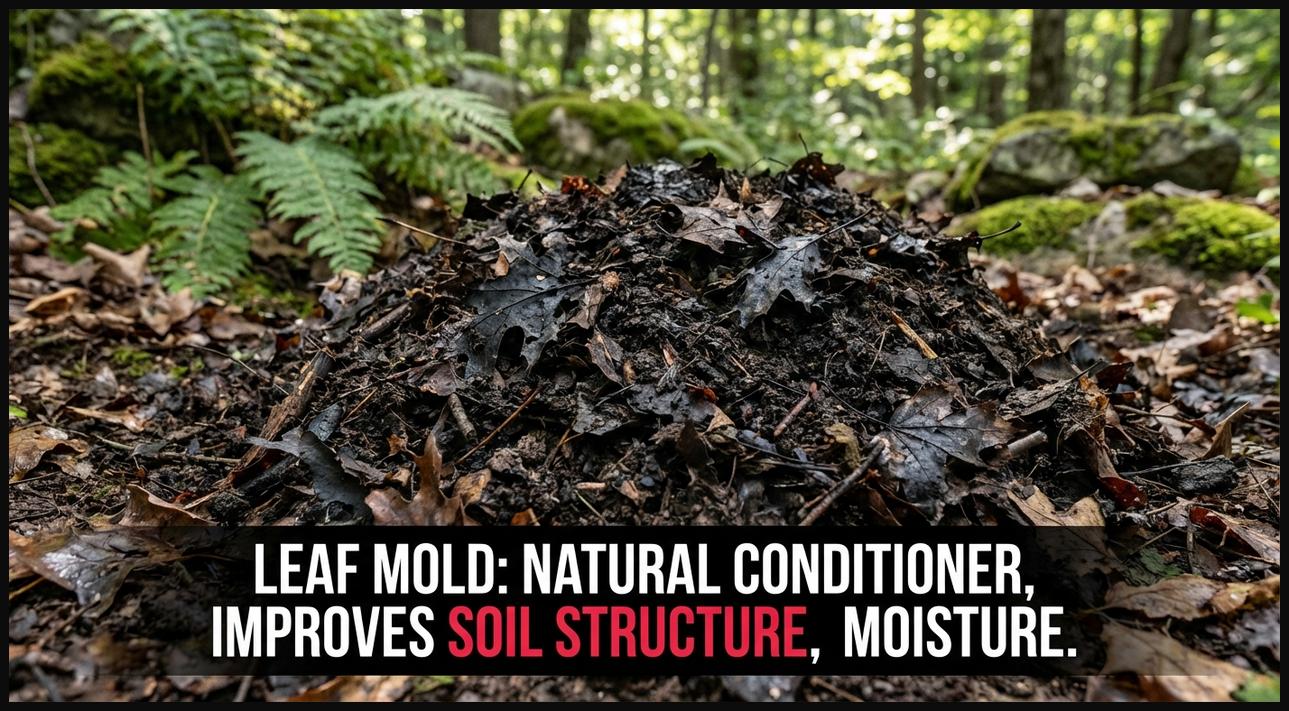
Leaf mold is a fantastic soil conditioner created from decomposed leaves. It’s a natural, sustainable, and free amendment that significantly improves soil structure, aeration, and water retention. Unlike compost, leaf mold isn’t nutrient-dense but acts like a sponge, holding moisture and releasing it slowly.
It also provides a perfect habitat for beneficial fungi and earthworms, enhancing the biological activity within the soil. Adding leaf mold to your garden beds in 2026 is an excellent way to mimic natural forest floor conditions, creating a soft, crumbly texture that roots absolutely love.
| Characteristic | Benefit |
|---|---|
| Excellent Moisture Retention | Acts as a soil sponge |
| Improves Aeration | Lightens heavy soils |
| Boosts Microbes | Supports soil life |
16. Manure (Aged)

Aged manure, typically from cows, horses, or chickens, is a traditional and highly effective organic soil amendment. The key is “aged,” meaning it has been composted for several months to break down raw materials, reduce odors, and kill off weed seeds and pathogens. This process makes it safe and beneficial for plants.
Aged manure enriches the soil with a wide spectrum of nutrients, improves its structure, and stimulates microbial activity. It’s an invaluable component for enriching garden soil types, especially for heavy feeders like vegetables, providing a slow-release source of fertility throughout the growing season.
| Characteristic | Benefit |
|---|---|
| Nutrient-Rich | Provides essential elements |
| Improves Structure | Enhances soil texture |
| Boosts Microbes | Increases soil activity |
17. Greensand

Greensand is a naturally occurring mineral rich in potassium, iron, magnesium, and other trace elements. It’s an excellent choice for improving sandy soils by enhancing their water and nutrient retention capabilities. In clay soils, it helps to loosen the structure and improve drainage.
As a slow-release fertilizer, greensand provides a steady supply of nutrients, making it a valuable long-term amendment for overall soil health. Understanding how to choose garden soil amendments like greensand can significantly boost the vitality and productivity of your garden over time.
| Characteristic | Benefit |
|---|---|
| Mineral-Rich | Provides trace elements |
| Improves Water Retention | Benefits sandy soils |
| Slow-Release | Long-term nutrient supply |
18. Rock Dust

Rock dust, also known as rock flour or glacial rock dust, is a natural soil amendment composed of finely ground volcanic rock. It’s packed with a broad spectrum of trace minerals that are often depleted in garden soils, helping to remineralize the soil and improve plant health and nutrient uptake.
While not a primary fertilizer, rock dust works by providing essential micronutrients that contribute to stronger plant immune systems and more vibrant growth. Incorporating it into various garden soil types is a sustainable way to build long-term soil fertility and resilience for future gardening seasons in 2026.
| Characteristic | Benefit |
|---|---|
| Trace Minerals | Remineralizes soil |
| Slow Release | Long-term nutrient source |
| Enhances Plant Health | Boosts immunity |
19. Alfalfa Meal

Alfalfa meal is an excellent organic fertilizer derived from ground alfalfa plants, offering a gentle but effective boost of nitrogen, phosphorus, and potassium, along with trace minerals and growth stimulants. It breaks down relatively quickly, providing readily available nutrients to plants.
Beyond its nutrient content, alfalfa meal also encourages beneficial microbial activity in the soil, improving its overall health and structure. It’s particularly favored for roses and other flowering plants, but is beneficial for most garden soil types, promoting lush foliage and vibrant blooms.
| Characteristic | Benefit |
|---|---|
| Balanced Nutrients | N, P, K & trace minerals |
| Growth Stimulant | Promotes healthy growth |
| Boosts Microbes | Enhances soil biology |
20. Bone Meal

Bone meal is a traditional organic fertilizer derived from steamed and ground animal bones, serving as an excellent source of phosphorus and calcium. Phosphorus is crucial for strong root development, flower production, and fruit set, making bone meal particularly beneficial for blooming plants and fruiting vegetables.
Its slow-release nature ensures a steady supply of nutrients over an extended period, preventing nutrient burn. When thinking about how to choose garden soil amendments for enhancing bloom and root strength, especially for bulbs or perennials, bone meal is a highly effective option.
| Characteristic | Benefit |
|---|---|
| High Phosphorus | Promotes blooms & roots |
| Calcium Source | Strengthens cell walls |
| Slow Release | Long-lasting nutrient supply |
21. Blood Meal

Blood meal is a potent, fast-acting organic nitrogen fertilizer derived from dried animal blood. Nitrogen is essential for vigorous leafy growth, making blood meal an excellent choice for vegetables like lettuce, spinach, and corn, as well as for general foliage plants. It also helps to acidify soil slightly.
Due to its high nitrogen content, it should be used judiciously to avoid over-fertilization, which can burn plants. For gardeners looking for a quick nitrogen boost for their garden soil types, particularly during periods of active vegetative growth, blood meal is a powerful natural option.
| Characteristic | Benefit |
|---|---|
| High Nitrogen | Promotes leafy growth |
| Fast-Acting | Quick nutrient boost |
| Slightly Acidic | Benefits acid-loving plants |
22. Worm Castings
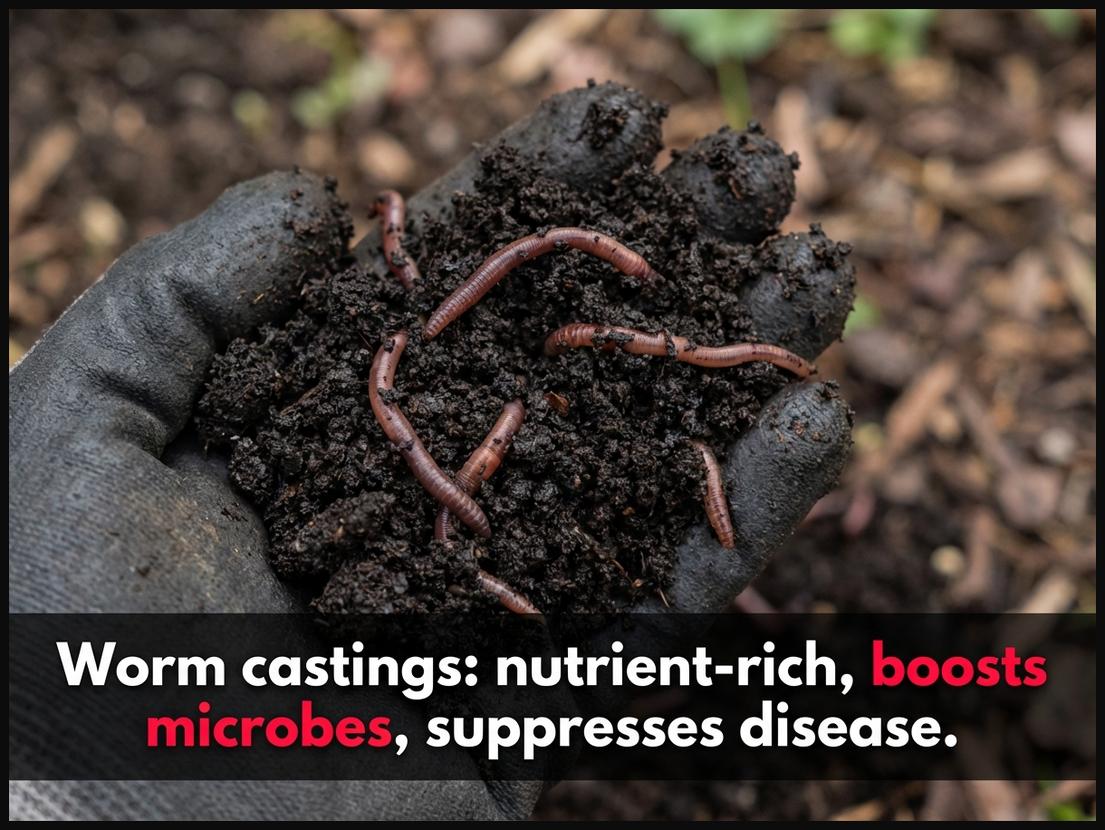
Worm castings, or vermicompost, are the nutrient-rich excrement of earthworms. They are a superb all-natural soil amendment, packed with beneficial microorganisms, enzymes, and readily available plant nutrients. Worm castings improve soil structure, enhance water retention, and suppress plant diseases.
They are gentle enough for direct use around plant roots without fear of burning, making them ideal for seed starting, potting mixes, and as a top dressing for established plants. Incorporating worm castings is one of the best ways to infuse life and fertility into any of your garden soil types, ensuring healthy, vibrant plants.
| Characteristic | Benefit |
|---|---|
| Nutrient-Rich | Complete plant food |
| Boosts Microbes | Enhances soil biology |
| Disease Suppressant | Protects plants |
23. Azalea/Camellia Soil (Acidic)

This specialized soil mix is formulated for acid-loving plants like azaleas, camellias, rhododendrons, and blueberries. It typically contains a high percentage of peat moss or pine bark, which naturally lowers the pH to the acidic range these plants prefer. Proper pH is critical for these plants to absorb nutrients effectively.
It also provides excellent drainage while retaining moisture, mimicking the woodland conditions where these plants naturally thrive. When considering how to choose garden soil for specific plant needs, using a dedicated acidic mix is crucial for the health and bloom performance of your ericaceous plants.
| Characteristic | Benefit |
|---|---|
| Acidic pH | Ideal for ericaceous plants |
| Good Drainage | Prevents root rot |
| Moisture Retentive | Mimics natural habitat |
24. Cactus/Succulent Soil (Gritty)
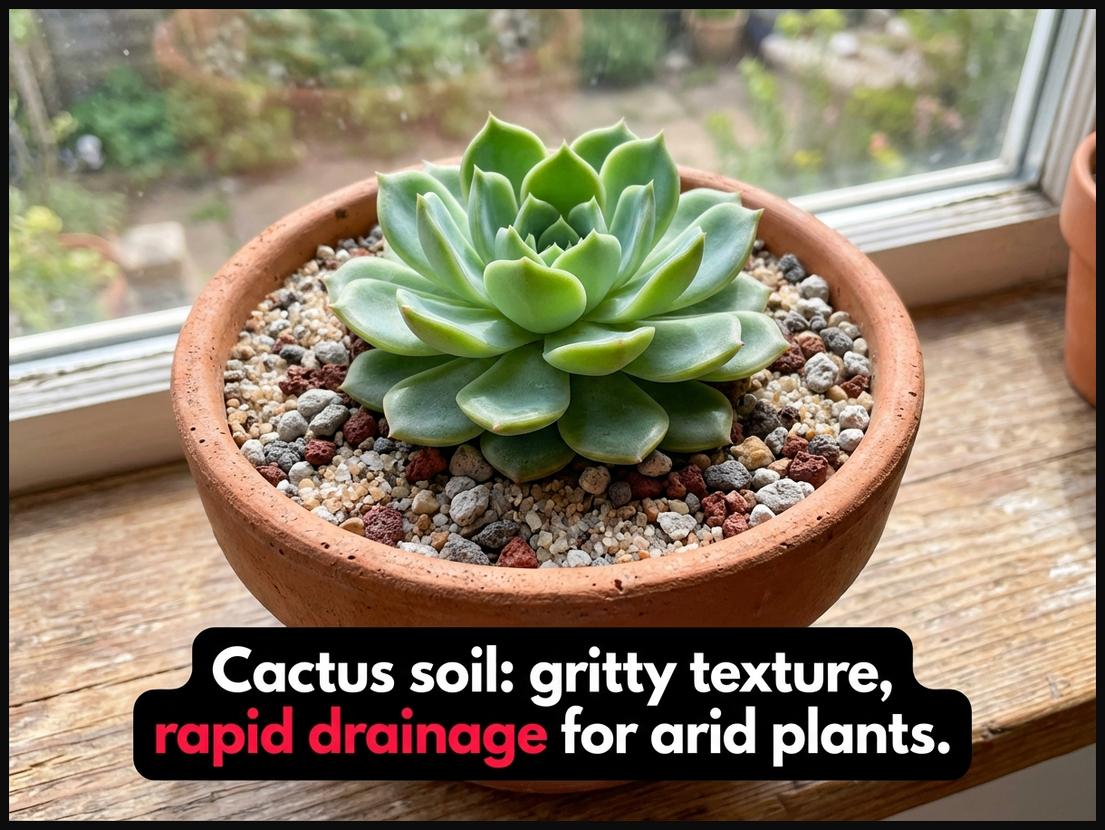
Cactus and succulent soil is engineered for plants that thrive in dry, well-drained conditions. Its hallmark is a gritty, sandy texture, achieved by incorporating materials like coarse sand, perlite, pumice, or small gravel, which ensures rapid water drainage and excellent aeration. This prevents root rot, a common issue for these plants.
This mix often has a slightly acidic to neutral pH, catering to the needs of most cacti and succulents. For gardeners cultivating these drought-tolerant beauties, understanding these garden soil types and providing a fast-draining medium is paramount for their survival and health.
| Characteristic | Benefit |
|---|---|
| Gritty Texture | Rapid drainage |
| Excellent Aeration | Prevents root rot |
| Low Moisture Retention | Ideal for arid plants |
25. Rose Soil

Rose soil is a specially formulated blend designed to meet the specific needs of roses, which are notoriously heavy feeders and prefer rich, well-drained soil. It typically combines good quality topsoil with generous amounts of organic matter, such as compost and aged manure, to provide ample nutrients and improve soil structure.
It also aims for a slightly acidic to neutral pH, which is ideal for roses to thrive and produce abundant blooms. When thinking about how to choose garden soil for your prized roses, a dedicated rose mix provides the optimal environment for their robust growth and spectacular flowering in 2026.
| Characteristic | Benefit |
|---|---|
| Nutrient-Rich | Supports heavy feeding roses |
| Well-Drained | Prevents waterlogging |
| Balanced pH | Optimal for rose growth |
26. Vegetable Garden Mix

A high-quality vegetable garden mix is a gardener’s secret weapon for maximizing harvests. This blend is specifically designed to be rich in organic matter, providing a steady supply of nutrients crucial for fruiting and leafy vegetables. It also ensures excellent drainage and aeration to prevent root issues and promote vigorous growth.
Typically, it includes a mix of topsoil, compost, and sometimes aged manure, creating a fertile and friable environment that’s easy for roots to penetrate. For those aiming for a bumper crop in 2026, investing in the right garden soil types, like a dedicated vegetable mix, is key to success.
| Characteristic | Benefit |
|---|---|
| Nutrient-Dense | Feeds heavy crop producers |
| Good Drainage | Prevents root diseases |
| Optimized Structure | Easy for roots to grow |
27. Herb Garden Mix

Herb garden mix is formulated to cater to the diverse needs of culinary and medicinal herbs, many of which prefer well-drained soil and don’t require overly rich conditions. This mix typically features good drainage, often incorporating sand or perlite, to prevent waterlogging which can be detrimental to many herbs.
While still providing essential nutrients, it avoids excessive richness that could dilute the aromatic oils that make herbs so flavorful. When considering how to choose garden soil for your fragrant herb patch, a lighter, well-draining mix is often preferred to encourage concentrated flavor and healthy growth.
| Characteristic | Benefit |
|---|---|
| Well-Drained | Prevents waterlogging for herbs |
| Balanced Nutrients | Supports herb growth without excess |
| Good Aeration | Promotes healthy roots |
28. Perennial Garden Mix

Perennial garden mix is designed for long-term plant health, as perennials will occupy their spot for many years. This soil needs to be durable, provide sustained nutrition, and offer excellent drainage. It often contains a robust blend of quality topsoil, slow-release organic matter like compost, and amendments to ensure good aeration.
The goal is to create a stable, fertile environment that encourages deep root systems and consistent performance season after season. When you consider how to choose garden soil for your lasting landscape, a specialized perennial mix will support enduring beauty and vitality for years to come.
| Characteristic | Benefit |
|---|---|
| Sustained Nutrition | Long-term plant support |
| Durable Structure | Maintains integrity over time |
| Excellent Drainage | Prevents root issues in established plants |
29. Annual Garden Mix

Annual garden mix is tailored for plants that complete their life cycle in a single growing season. These plants typically have a rapid growth rate and require a readily available supply of nutrients to produce abundant flowers or fruits quickly. The mix is usually rich in organic matter and often contains a starter fertilizer.
It’s formulated to be highly fertile and well-draining, allowing annuals to establish quickly and perform vibrantly throughout the season. When planning your colorful displays for 2026, choosing a specialized annual mix will give your temporary beauties the energetic start they need for spectacular results.
| Characteristic | Benefit |
|---|---|
| High Fertility | Supports rapid growth |
| Good Drainage | Prevents waterlogging for short life cycle |
| Fast-Acting Nutrients | Quick start for annuals |
30. Soil for Container Gardening

Soil for container gardening is distinct from garden soil, as it must support plants in a confined space. It is designed to be lightweight, prevent compaction, and provide superior drainage and aeration, while still holding sufficient moisture and nutrients. Ingredients typically include peat moss, perlite, vermiculite, and a small amount of fertilizer.
This specialized blend ensures that roots have ample oxygen and aren’t waterlogged, which is crucial for the health of potted plants. Understanding these garden soil types for containers is vital; using native garden soil will often lead to compaction, poor drainage, and ultimately, plant failure in pots.
| Characteristic | Benefit |
|---|---|
| Lightweight | Prevents compaction in pots |
| Excellent Drainage | Crucial for container health |
| Balanced Aeration | Promotes root oxygenation |
FAQs
Question: What is the single best soil for garden use across all plant types?
While no single soil type is universally “best” for every plant, loamy soil is generally considered the most ideal all-around option for gardens. Its balanced composition of sand, silt, and clay provides excellent drainage, good aeration, and sufficient moisture and nutrient retention. This versatility makes it suitable for a wide range of vegetables, fruits, and ornamental plants, promoting robust growth and overall plant health in your 2026 garden.
Question: How do I determine my current garden soil type?
You can perform a simple “jar test” or a “ribbon test” to determine your garden soil type. For the jar test, place a soil sample in a clear jar with water, shake it, and let it settle to observe layers of sand, silt, and clay. For the ribbon test, moisten soil and roll it into a ribbon; the length of the ribbon indicates clay content. These methods help you understand your soil’s composition to know how to choose garden soil amendments.
Question: Is it necessary to buy specialized soil mixes for every plant?
Not always, but specialized soil mixes can significantly improve the success of particular plant groups. For instance, acid-loving plants like azaleas or succulents needing excellent drainage thrive in tailored mixes. While general-purpose garden soil amended with compost works for many plants, investing in specific mixes for unique requirements ensures optimal growing conditions, especially for high-value or finicky plants in 2026.
Question: What are the key benefits of adding organic matter to garden soil?
Adding organic matter, such as compost, aged manure, or leaf mold, provides numerous benefits to garden soil types. It improves soil structure, enhancing both drainage in clay soils and water retention in sandy soils. Organic matter also introduces vital nutrients, feeds beneficial microorganisms, and stabilizes soil pH, creating a healthier, more fertile environment for robust plant growth and resilience.
Question: How often should I amend my garden soil?
The frequency of soil amendment depends on your soil type, planting intensity, and the amendments used. Generally, it’s beneficial to incorporate fresh organic matter like compost annually, especially before planting in spring or fall. For heavier soils or those with significant nutrient deficiencies, more frequent or targeted amendments might be needed. Regular soil testing can guide your amendment schedule for 2026.
Conclusion
Choosing the right soil is truly the bedrock of a thriving garden, and as we embrace the gardening opportunities of 2026, understanding the diverse options available empowers us all. From versatile loamy mixes to specialized blends for specific plants, each soil type offers unique advantages that directly impact plant health and productivity. By carefully considering your plants’ needs and the characteristics of various garden soil types, you can make informed decisions that ensure your green space flourishes.
Remember, a healthy garden begins with healthy soil. Armed with this knowledge, you’re now well-equipped to select the ideal foundation, whether you’re starting a new bed, nurturing containers, or enriching existing landscapes. May your 2026 garden be vibrant, productive, and a true testament to the power of well-chosen soil.

Related Posts

Top 30 Garden Sprayers

Top 30 Hand Garden Tools
