

Top 30 Hand Garden Tools
Hello Readers,
Are you ready to transform your outdoor oasis into a thriving haven in 2026? Whether you’re a seasoned green thumb or just starting your gardening journey, having the right equipment is absolutely crucial. A beautifully maintained garden isn’t just about plants; it’s about the connection you forge with nature through purposeful work. This guide will introduce you to the top 30 hand garden tools that will make your efforts more efficient, enjoyable, and ultimately, more rewarding. Get ready to dive into some fantastic backyard garden ideas and discover the implements that will bring them to life!
1. Hand Trowel
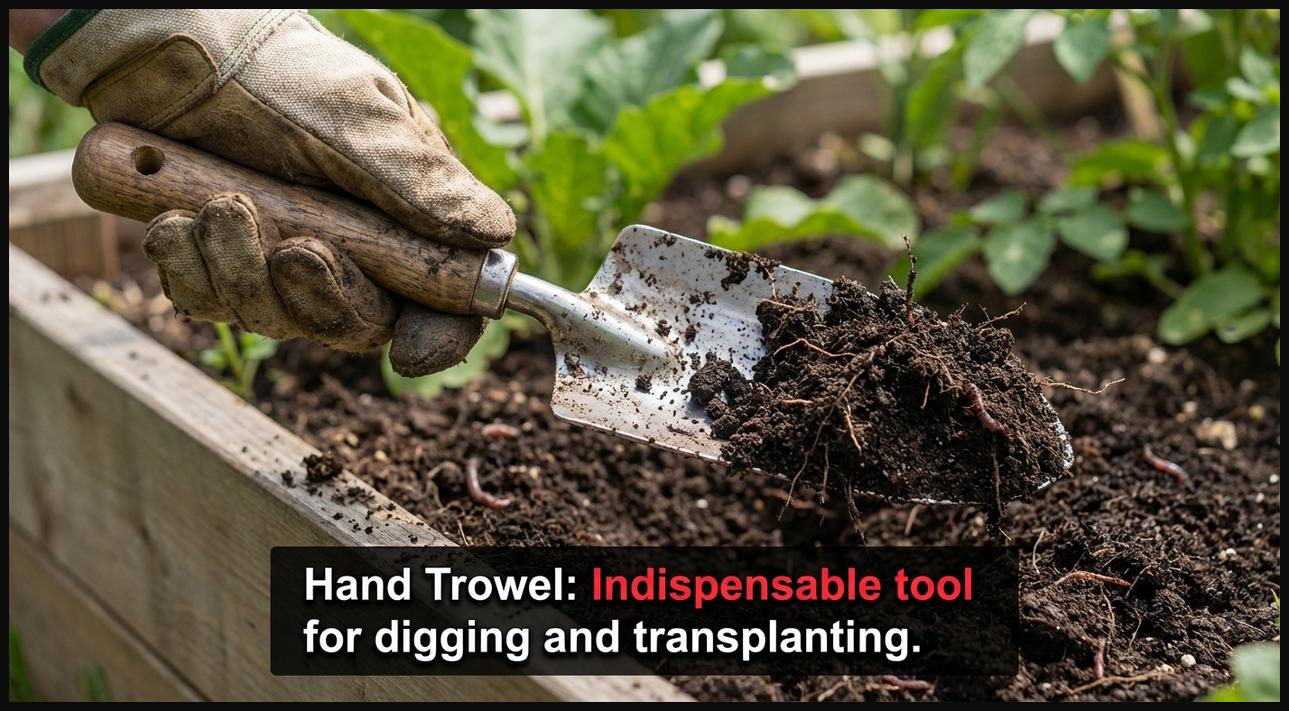
The humble hand trowel is perhaps the most fundamental tool in any gardener’s arsenal, making it indispensable for various tasks. Its curved, scoop-like blade is perfect for digging small holes, transplanting seedlings, and breaking up soil in tight spaces. For light work around flower beds or container gardens, a sturdy hand trowel simplifies planting significantly.
Choosing a trowel with a comfortable handle and a robust blade material, such as stainless steel or carbon steel, will ensure longevity and efficiency. This essential tool is a workhorse for planting bulbs and annuals, providing precision where larger shovels cannot go. It’s truly one of the best hand tools for gardening.
| Feature | Benefit |
|---|---|
| Scoop-like blade | Ideal for digging and transplanting |
| Compact size | Perfect for small spaces and containers |
| Durable materials | Ensures long-lasting performance |
2. Cultivator (3-prong or 5-prong)

A hand cultivator, often featuring three or five sturdy prongs, is excellent for aerating soil, removing weeds, and mixing in compost or fertilizer. It’s designed to gently loosen the top layer of soil, which helps improve drainage and promotes healthy root growth. Regular use of a cultivator can significantly reduce soil compaction around your plants.
This tool is especially useful in vegetable patches or flower beds where you need to prepare the soil before planting or refresh it during the growing season. Its ergonomic design often allows for comfortable use, even during extended gardening sessions, making it a valuable addition to your collection of hand garden tools.
| Feature | Benefit |
|---|---|
| Multiple prongs | Efficient soil aeration and mixing |
| Loosens soil | Improves drainage and root health |
| Weed removal | Helps keep garden beds tidy |
3. Hand Fork
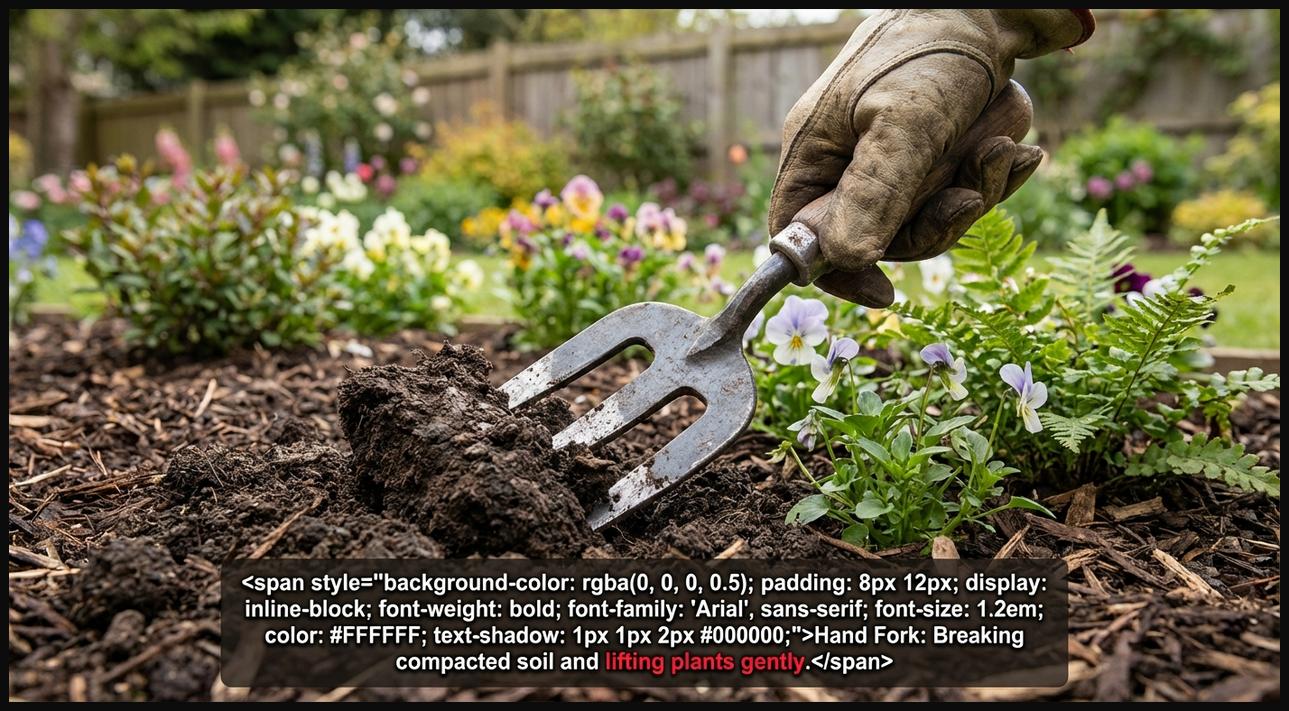
Similar to a cultivator but with flatter, sturdier prongs, a hand fork is ideal for breaking up compacted soil, especially in established garden beds. It’s also superb for gently lifting plants without damaging their root systems, making it a favorite for dividing perennials or preparing areas for new plantings. The strong tines can penetrate tough soil more effectively than a trowel.
The hand fork is indispensable for tackling heavier soil types or for working in areas where roots are dense. Its design allows for precise work, ensuring you can aerate and prepare the ground without disturbing nearby flora. It’s a reliable tool for deep soil preparation, enhancing its status among the best hand tools for gardening.
| Feature | Benefit |
|---|---|
| Sturdy tines | Breaks up compacted soil effectively |
| Gentle lifting | Protects plant roots during transplanting |
| Versatile use | Ideal for dividing perennials and aeration |
4. Weeder (Dandelion Weeder)
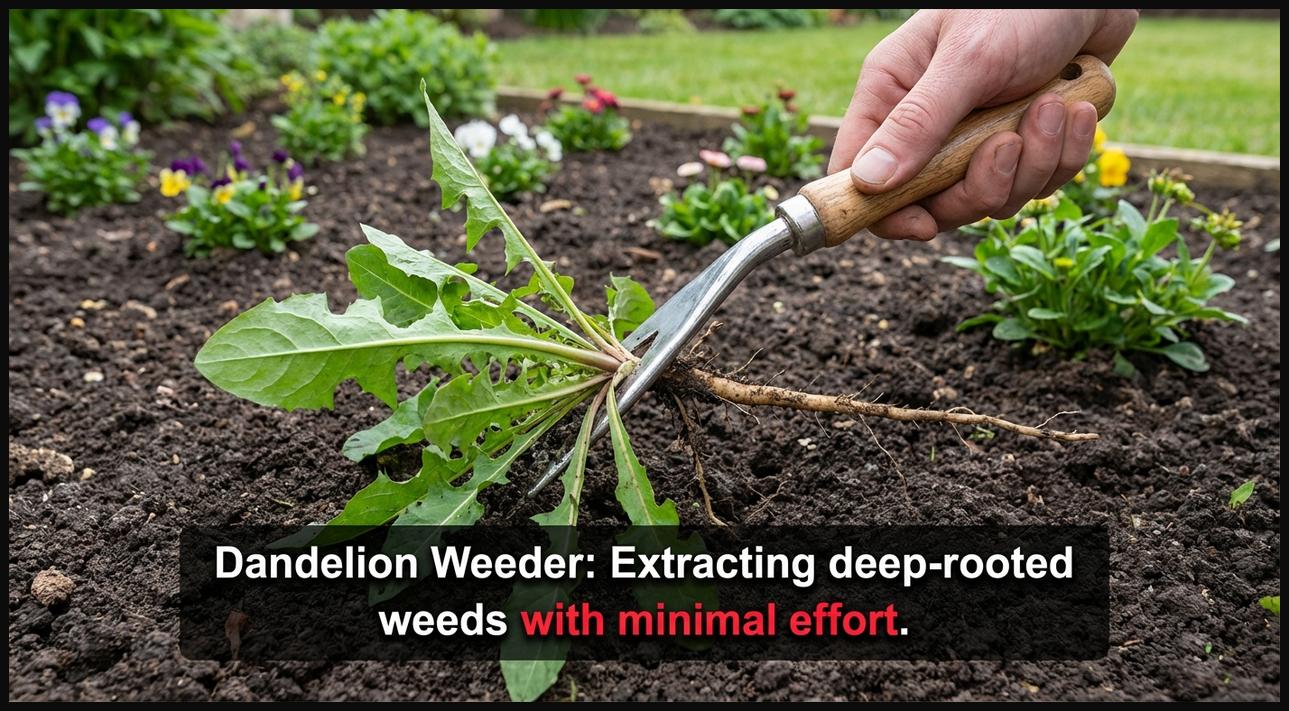
A specialized weeder, often known as a dandelion weeder, is specifically designed to extract deep-rooted weeds with minimal effort. Its long, V-shaped or forked tip allows you to plunge it into the soil next to the weed, leverage against the ground, and pull the entire taproot out. This prevents regrowth and keeps your garden beds pristine.
This tool is a game-changer for maintaining weed-free borders and pathways without resorting to harsh chemicals. Investing in a good quality weeder will save you countless hours of bending and pulling, proving its worth as one of the most effective hand garden tools for weed control.
| Feature | Benefit |
|---|---|
| V-shaped tip | Targets deep-rooted weeds |
| Leverage design | Removes entire taproots effectively |
| Chemical-free | Promotes organic weed control |
5. Pruning Shears (Secateurs)
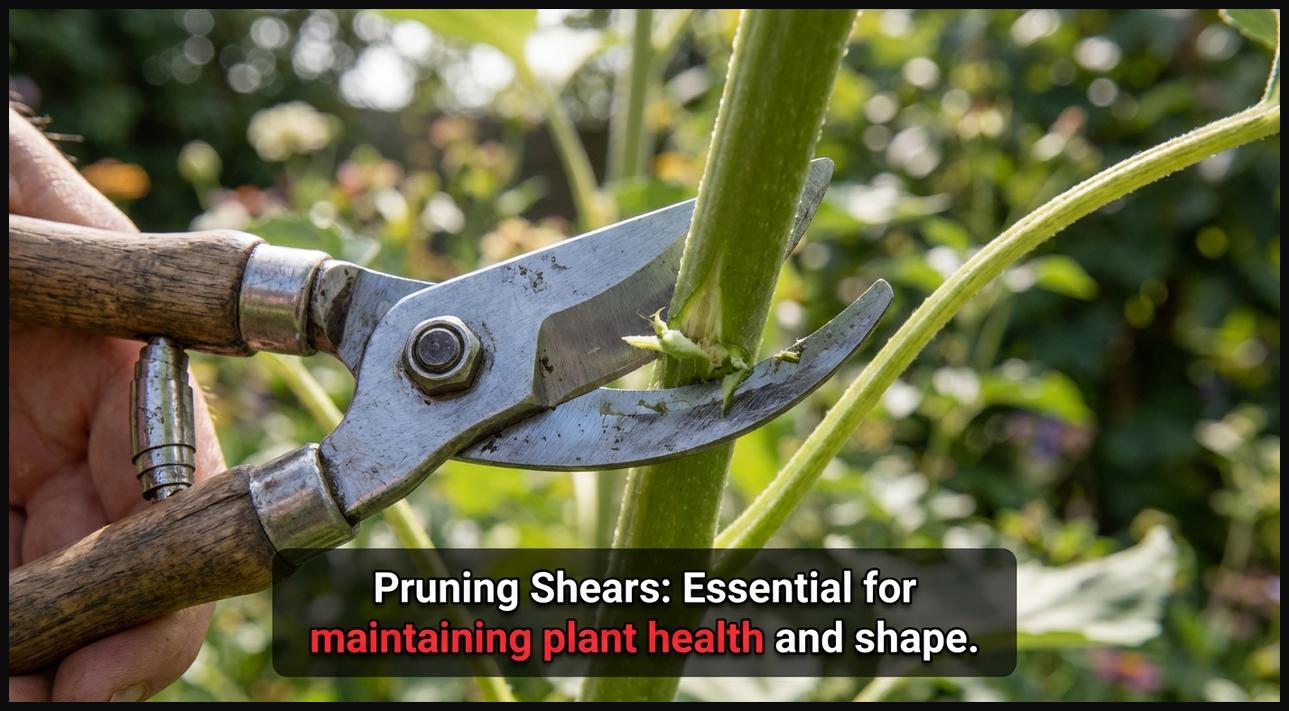
Pruning shears, also known as secateurs, are absolutely essential for maintaining the health and shape of your plants. These hand-held clippers are perfect for deadheading flowers, trimming small branches, and shaping shrubs. They come in two main types: bypass, which makes clean cuts like scissors, and anvil, which is better for dead or woody stems.
Selecting a pair that fits comfortably in your hand and has sharp, durable blades will ensure clean cuts that promote plant healing and reduce disease risk. For precision work and light pruning tasks, a reliable pair of pruning shears is a must-have for any gardener focused on their backyard garden ideas.
| Feature | Benefit |
|---|---|
| Sharp blades | Ensures clean cuts for plant health |
| Versatile | Ideal for deadheading, trimming, shaping |
| Two types | Bypass for live, anvil for woody stems |
6. Garden Gloves

Protecting your hands is paramount when working in the garden, and a good pair of garden gloves is non-negotiable. They shield your hands from thorns, blisters, dirt, and potential irritants. Modern garden gloves come in a variety of materials, offering different levels of protection, grip, and breathability to suit various tasks.
Look for gloves that are durable, water-resistant, and provide a snug but comfortable fit to maintain dexterity. Investing in quality gloves will make your gardening experience much more pleasant and safe, allowing you to enjoy your backyard garden ideas without worry.
| Feature | Benefit |
|---|---|
| Protection | Shields hands from thorns, blisters, dirt |
| Durability | Long-lasting for extensive use |
| Comfortable fit | Maintains dexterity for fine tasks |
7. Kneeling Pad

Gardening often involves spending a significant amount of time on your knees, which can be tough on joints without proper support. A kneeling pad provides a soft, cushioned surface to protect your knees from hard ground, rocks, and dampness. It makes tasks like weeding, planting, and tending to low-lying plants much more comfortable.
Portable and lightweight, a good kneeling pad is an inexpensive investment that offers immense ergonomic benefits, reducing strain and fatigue. This simple yet effective tool helps ensure you can enjoy your gardening for longer periods without discomfort, making it a thoughtful addition to your hand garden tools.
| Feature | Benefit |
|---|---|
| Cushioned support | Protects knees from hard surfaces |
| Reduces strain | Enhances comfort during kneeling tasks |
| Portable design | Easy to move around the garden |
8. Dibber

A dibber is a specialized tool used for making uniform holes in the soil for planting seeds, bulbs, or small seedlings. Its pointed tip and handle allow you to create precise depths and widths, ensuring consistent planting for better germination and growth. Some dibbers even have markings for depth measurement.
This tool is especially useful for gardeners who plant in rows or need to maintain specific spacing between plants. A sturdy dibber streamlines the planting process, making it quicker and more accurate. It’s a niche but highly effective tool for those dedicated to precise planting in their backyard garden ideas.
| Feature | Benefit |
|---|---|
| Pointed tip | Creates uniform planting holes |
| Depth markings | Ensures consistent planting depth |
| Precision | Ideal for seeds, bulbs, and seedlings |
9. Soil Scoop

A soil scoop is a larger, wider version of a hand trowel, specifically designed for efficiently moving loose soil, potting mix, or fertilizer. Its generous capacity allows you to quickly fill pots, raised beds, or spread amendments with fewer trips. The deeper curve of the scoop helps prevent spillage, keeping your workspace cleaner.
This tool is invaluable for tasks requiring the transfer of bulk materials, making potting and soil preparation much faster and less messy. For anyone working with containers or needing to amend large areas, a soil scoop is a practical and time-saving addition to their hand garden tools.
| Feature | Benefit |
|---|---|
| Large capacity | Efficiently moves soil and amendments |
| Deep curve | Minimizes spillage during transfer |
| Time-saving | Speeds up potting and soil preparation |
10. Transplanter

A transplanter is a narrow, long-bladed trowel often marked with depth measurements. It’s specifically designed for carefully lifting and moving seedlings or small plants from one location to another without disturbing their delicate root systems. The narrow blade allows you to work in tight spaces between existing plants.
The depth markings on the blade help ensure that new plants are placed at the correct depth, promoting healthy establishment. For gardeners who frequently start plants from seed or rearrange their garden beds, a transplanter is an invaluable precision tool. It’s certainly one of the best hand tools for gardening delicate tasks.
| Feature | Benefit |
|---|---|
| Narrow blade | Allows work in tight spaces |
| Depth markings | Ensures accurate planting depth |
| Gentle on roots | Ideal for transplanting seedlings |
11. Hori Hori Knife
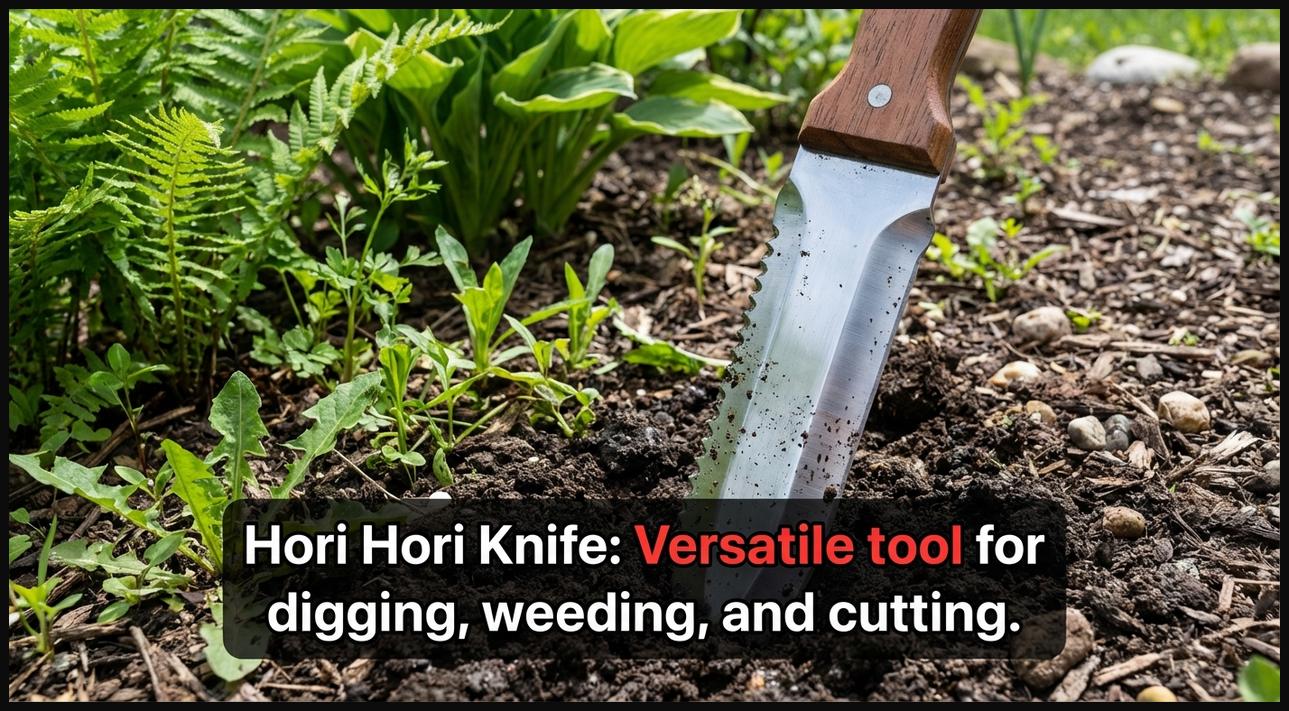
The Hori Hori knife, sometimes called a Japanese weeding knife or soil knife, is an incredibly versatile multi-purpose tool. It features a sharp, serrated edge on one side for cutting roots or bags, and a smooth, sharp edge on the other for digging, weeding, and planting. Some even have depth markings for precise planting.
This robust tool can effectively replace a trowel, weeder, and even a small saw for certain tasks, making it a fantastic all-in-one option for the efficient gardener. Its durability and functionality make it a highly recommended choice among hand garden tools for various tasks in 2026.
| Feature | Benefit |
|---|---|
| Serrated edge | Cuts roots and opens bags |
| Sharp edge | Digging, weeding, and planting |
| Depth markings | Aids in precise planting |
12. Garden Hod (Harvesting Basket)

While not strictly a “tool” for manipulating soil or plants, a garden hod or harvesting basket is an indispensable accessory for any gardener. This sturdy, open-weave basket allows you to collect vegetables, fruits, and flowers, and then rinse them right in the basket, letting excess water drain away easily.
Its breathable design also helps to extend the freshness of your harvest by preventing moisture buildup. Practical and charming, a garden hod makes gathering your bounty a joy and is a perfect complement to all your other backyard garden ideas efforts. It’s excellent for keeping your produce clean and fresh.
| Feature | Benefit |
|---|---|
| Open-weave design | Allows rinsing and drainage |
| Sturdy construction | Collects heavy harvests easily |
| Breathable | Helps keep produce fresh |
13. Hand Rake (Leaf Rake)
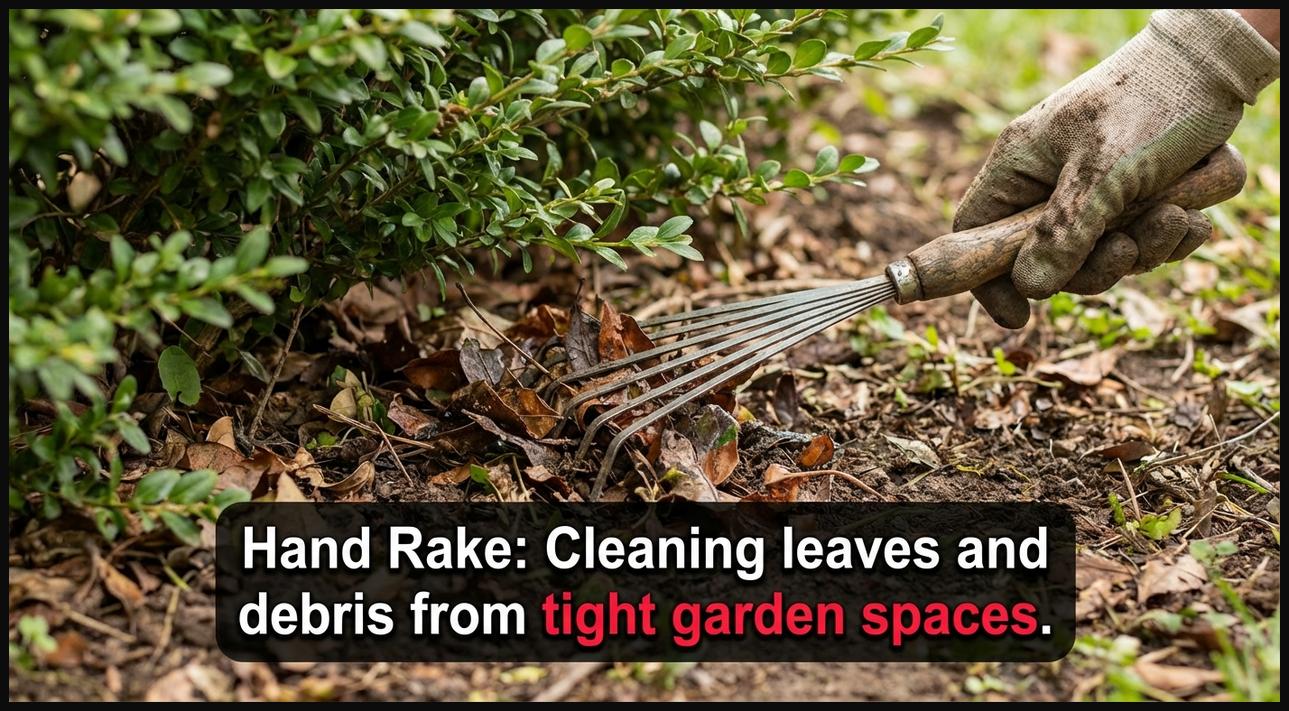
A hand rake, sometimes referred to as a leaf rake or shrub rake, is a smaller version of its full-sized counterpart, designed for precision clean-up. Its fanned tines are perfect for gathering fallen leaves, debris, and small clippings from tight spots like under shrubs, around delicate plants, or in perennial borders.
The compact size makes it easy to maneuver without damaging surrounding vegetation. Keeping your garden beds tidy is crucial for plant health and aesthetics, and this hand rake is one of the best hand tools for gardening when it comes to meticulous clearing and tidying.
| Feature | Benefit |
|---|---|
| Fanned tines | Gathers leaves and debris effectively |
| Compact size | Allows cleaning in tight spaces |
| Gentle use | Prevents damage to delicate plants |
14. Loppers

Loppers are long-handled pruning tools designed for cutting thicker branches that are too large for hand pruners. Their extended handles provide extra leverage, allowing you to cut through branches up to 1.5 to 2 inches in diameter with relative ease. They are crucial for maintaining the structure of shrubs and small trees.
Like pruning shears, loppers come in bypass and anvil styles, each suited for different types of cuts. Investing in a good pair of loppers will keep your larger woody plants healthy and shapely, making them indispensable for any serious gardener tackling larger backyard garden ideas.
| Feature | Benefit |
|---|---|
| Long handles | Provides extra leverage for thick branches |
| Cuts large branches | Handles up to 2 inches in diameter |
| Maintains plant structure | Essential for shrubs and small trees |
15. Hedge Shears

Hedge shears are designed for trimming and shaping hedges, shrubs, and ornamental grasses, creating neat and uniform lines. They feature long, sharp blades and usually have extended handles for reaching across wider areas. Manual hedge shears offer precise control for fine shaping and detailed work.
Using hedge shears keeps your borders and topiary looking crisp and well-maintained. While electric options exist, hand-powered hedge shears are excellent for smaller jobs or for achieving specific, delicate shapes. They are a must-have among hand garden tools for anyone valuing a well-defined garden landscape.
| Feature | Benefit |
|---|---|
| Long, sharp blades | Creates neat and uniform shapes |
| Extended handles | Reaches across wider areas easily |
| Precise control | Ideal for fine shaping and detailing |
16. Bypass Pruners

Bypass pruners are a type of pruning shear that operates like scissors, with one blade bypassing the other to make a clean, precise cut. They are specifically designed for cutting live, green stems and branches without crushing them, which is vital for the health of your plants. This clean cut minimizes damage and promotes faster healing.
They are perfect for delicate tasks like deadheading flowers, trimming herbs, or shaping young growth. Investing in high-quality bypass pruners with comfortable grips is crucial for comfortable and effective use, making them a staple in your collection of hand garden tools.
| Feature | Benefit |
|---|---|
| Scissor-like action | Makes clean, precise cuts on live stems |
| Promotes healing | Minimizes damage to plants |
| Versatile | Ideal for deadheading, herbs, young growth |
17. Anvil Pruners

Anvil pruners differ from bypass pruners in their cutting action; a sharp blade closes against a flat anvil, effectively splitting the branch. These are best suited for cutting dead, dry, or woody stems and branches. The splitting action makes them very effective at breaking through tough material that might damage bypass pruners.
While not ideal for live plants where a clean cut is paramount, anvil pruners excel at clearing out old growth or preparing woody stems for propagation. They are a robust tool for tougher jobs in the garden, making them one of the best hand tools for gardening when dealing with stubborn, dead wood.
| Feature | Benefit |
|---|---|
| Blade against anvil | Effectively splits woody branches |
| Ideal for dead wood | Cuts through dry, tough stems easily |
| Robust design | Suitable for heavier pruning tasks |
18. Bow Saw (for thicker branches)

For branches too thick for even loppers, a hand-held bow saw becomes an essential tool. Featuring a rigid frame and a replaceable blade with aggressive teeth, a bow saw is designed for cutting through thicker woody material, up to several inches in diameter. It provides effective leverage for efficient sawing.
This tool is invaluable for removing unwanted limbs from small trees or larger shrubs, or for processing fallen branches. Its robust cutting power makes it a critical piece of equipment for maintaining the larger woody elements within your backyard garden ideas.
| Feature | Benefit |
|---|---|
| Rigid frame | Provides stability and leverage |
| Aggressive teeth | Cuts through thick woody material efficiently |
| Replaceable blade | Ensures long-term usability |
19. Folding Saw
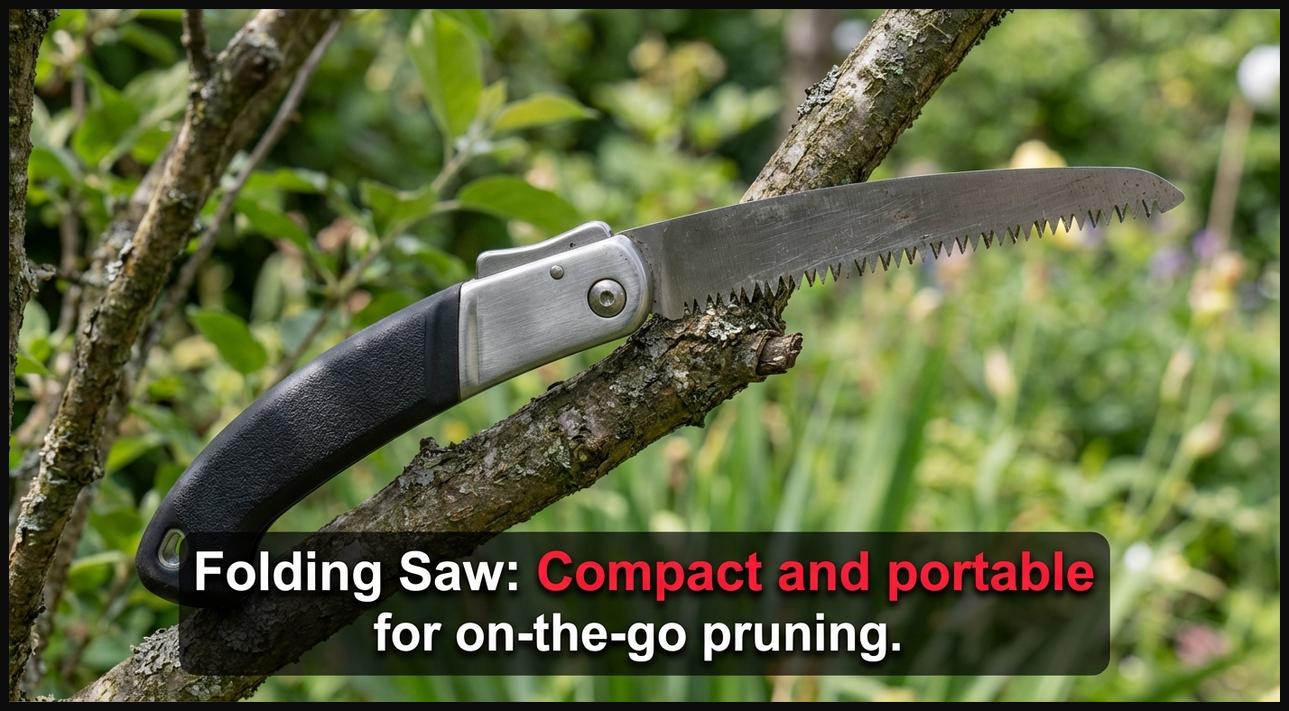
A folding saw is a compact and portable alternative to a bow saw, ideal for lighter pruning tasks or when working in tight spaces. Its blade folds safely into the handle, making it easy to carry in a pocket or tool belt. The sharp, often curved blade, is excellent for cutting branches up to a couple of inches thick.
This tool is perfect for on-the-go maintenance, pruning in remote areas of your garden, or quick clean-ups without needing to retrieve larger equipment. A good quality folding saw is a practical and safe addition to your arsenal of hand garden tools.
| Feature | Benefit |
|---|---|
| Compact design | Easy to carry and store safely |
| Sharp, curved blade | Efficiently cuts smaller branches |
| Portable | Ideal for on-the-go pruning tasks |
20. Grafting Knife

A grafting knife is a highly specialized tool with an extremely sharp, finely ground blade, typically beveled on one side. It is used for making precise, clean cuts required for grafting, budding, and other intricate plant propagation techniques. The sharp edge ensures minimal damage to plant tissue, promoting successful unions.
This tool is for the advanced gardener or horticulturalist interested in propagating specific plant varieties. While not an everyday tool, for those pursuing the art of grafting, it is absolutely indispensable. It’s a testament to the precision available within the world of hand garden tools.
| Feature | Benefit |
|---|---|
| Extremely sharp blade | Makes precise, clean cuts |
| Specialized design | Ideal for grafting and budding |
| Promotes success | Minimizes tissue damage for plant unions |
21. Asparagus Knife

An asparagus knife is a very specific tool designed for harvesting asparagus spears below the soil line. It typically has a long, narrow shaft with a serrated or sharp, pointed tip. This allows gardeners to reach down and sever the spear without disturbing neighboring plants or roots.
This tool is a must-have for anyone cultivating an asparagus patch, ensuring clean cuts and promoting future growth. Its unique design showcases how specialized hand garden tools can make specific harvesting tasks much easier and more efficient.
| Feature | Benefit |
|---|---|
| Long, narrow shaft | Reaches spears below soil line |
| Serrated/sharp tip | Ensures clean cuts for harvesting |
| Minimizes disturbance | Protects neighboring plants and roots |
22. Bulb Planter

A bulb planter is a cylindrical tool designed to quickly and efficiently create holes of uniform size and depth for planting flower bulbs. You press it into the soil, twist, and remove a core of earth, then drop in your bulb and replace the soil plug. Some models have a spring-loaded handle for easy soil release.
This tool saves time and effort, especially when planting a large quantity of bulbs to create stunning spring displays in your garden. For anyone looking to add vibrant seasonal color, a bulb planter is one of the best hand tools for gardening projects involving mass bulb planting.
| Feature | Benefit |
|---|---|
| Cylindrical design | Creates uniform holes for bulbs |
| Efficient planting | Saves time and effort for large quantities |
| Ensures depth | Promotes proper bulb establishment |
23. Garden Sieve/Riddle

A garden sieve, also known as a riddle, is a frame with a mesh bottom used to sift soil, compost, or sand. It helps remove rocks, debris, and clumps, resulting in a finer, more consistent growing medium. This is particularly useful for preparing potting mixes or top-dressing delicate seedlings.
Using a sieve ensures your plants have the best possible start in finely textured, nutrient-rich soil. For gardeners dedicated to optimizing soil quality for their plants, this accessory is an invaluable tool for creating ideal growing conditions for your backyard garden ideas.
| Feature | Benefit |
|---|---|
| Mesh bottom | Sifts soil, compost, and sand |
| Removes debris | Creates a finer, consistent growing medium |
| Optimizes soil | Ideal for potting mixes and seedlings |
24. Spading Fork
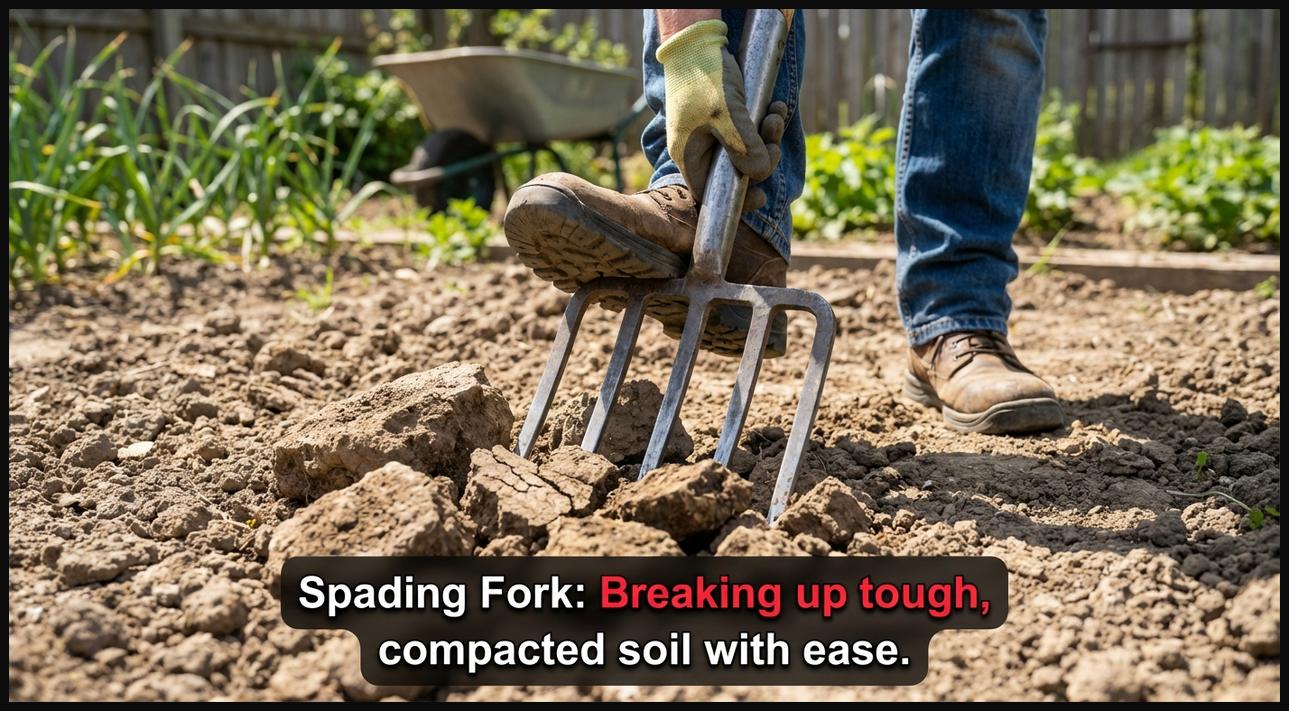
While often larger than traditional hand tools, a spading fork (also known as a digging fork) is a crucial hand-powered implement for breaking up tough, compacted soil, aerating lawns, and turning compost. Its strong, flat tines can penetrate dense soil more easily than a shovel, reducing strain on your back.
For preparing new garden beds or revitalizing existing ones, a spading fork is indispensable. It’s excellent for incorporating organic matter deep into the soil. Considered among the robust hand garden tools, it’s essential for heavy-duty soil work in your backyard.
| Feature | Benefit |
|---|---|
| Strong, flat tines | Breaks up tough, compacted soil |
| Aerates effectively | Improves soil structure and drainage |
| Reduces strain | Easier to use than a shovel for dense soil |
25. Hand Cultivator with long handle

A hand cultivator with a short handle is a great tool, but sometimes you need extra reach without resorting to a full-sized tiller. A long-handled hand cultivator allows you to aerate, weed, and loosen soil while standing, saving your back and knees. It typically features several sturdy prongs, similar to its shorter counterpart.
This tool is perfect for working in raised beds, between rows of vegetables, or for reaching deeper into flower borders. It combines the precision of a hand tool with the ergonomic benefits of a longer handle, making it a comfortable and efficient choice among hand garden tools.
| Feature | Benefit |
|---|---|
| Long handle | Allows working while standing, reduces strain |
| Sturdy prongs | Efficiently aerates and loosens soil |
| Extended reach | Ideal for raised beds and deep borders |
26. Garden Hose Nozzle

A good quality garden hose nozzle is an essential accessory for efficient and gentle watering. Modern nozzles offer various spray patterns, from a gentle mist for seedlings to a powerful jet for cleaning tools or stubborn dirt. The ability to control water flow precisely prevents overwatering or damaging delicate plants.
Look for a nozzle with durable construction, comfortable grip, and easy-to-use controls. A reliable nozzle ensures that your plants receive the right amount of hydration without waste, making it a critical part of maintaining your backyard garden ideas.
| Feature | Benefit |
|---|---|
| Multiple spray patterns | Versatile for various watering needs |
| Precise control | Prevents overwatering and plant damage |
| Durable construction | Ensures long-lasting performance |
27. Potting Trowel

A potting trowel is typically smaller and often has a narrower blade than a standard hand trowel, specifically designed for working in pots and containers. Its compact size allows for easy maneuvering in confined spaces, making it perfect for filling small pots, transplanting delicate seedlings, or top-dressing container plants.
The ergonomic design often features a comfortable handle, which is essential for repetitive potting tasks. For anyone with a passion for container gardening or starting seeds indoors, a potting trowel is an indispensable precision tool among your hand garden tools.
| Feature | Benefit |
|---|---|
| Compact size | Ideal for pots and containers |
| Narrow blade | Maneuvers easily in confined spaces |
| Ergonomic design | Comfortable for repetitive tasks |
28. Border Fork

A border fork is a smaller, lighter version of a spading fork, designed for working in established borders and flower beds. Its tines are typically shorter and narrower, allowing you to cultivate the soil, aerate, and lift plants without causing extensive damage to delicate roots or surrounding vegetation.
This tool is excellent for tasks requiring a lighter touch than a full-sized digging fork, such as incorporating compost or breaking up small clumps of soil in perennial beds. It’s one of the best hand tools for gardening when you need a balance of strength and precision in confined garden areas.
| Feature | Benefit |
|---|---|
| Shorter tines | Ideal for working in established borders |
| Lighter design | Minimizes damage to delicate plants |
| Precision use | Good for aeration and soil amendment |
29. Hand Brush and Dustpan (for shed/patio)

While primarily for cleanup, a small hand brush and dustpan set is an incredibly useful addition to any gardener’s collection, especially for maintaining tidy workspaces. It’s perfect for sweeping up spilled soil, stray leaves, or debris from potting benches, patios, or garden sheds. Keeping your gardening areas clean helps prevent pests and diseases.
This simple duo ensures that your various backyard garden ideas efforts always conclude with a clean environment. It is practical for maintaining order and cleanliness, proving that sometimes the simplest tools are the most appreciated for everyday tidying.
| Feature | Benefit |
|---|---|
| Compact size | Ideal for quick cleanups in small areas |
| Efficient sweeping | Gathers spilled soil, leaves, debris |
| Maintains tidiness | Keeps potting areas and sheds clean |
30. Watering Can (small hand-held)

A small, hand-held watering can is an indispensable tool for targeted and gentle watering, especially for seedlings, potted plants, or delicate flowers. It allows for precise application of water, directly to the soil where it’s needed, minimizing waste and avoiding wetting foliage, which can lead to fungal diseases.
Look for one with a comfortable handle and a well-designed rose (spout attachment) that provides a soft, even shower. This simple yet effective tool ensures your most vulnerable plants receive tender loving care, making it one of the most fundamental hand garden tools for nurturing new growth.
| Feature | Benefit |
|---|---|
| Targeted watering | Delivers water precisely to soil |
| Gentle shower | Protects delicate seedlings and flowers |
| Avoids foliage wetting | Helps prevent fungal diseases |
FAQs
Q1. What are the most essential hand garden tools for a beginner in 2026?
For a beginner, the most essential hand garden tools typically include a hand trowel for planting, pruning shears for trimming, a hand fork for soil cultivation, and durable garden gloves for protection. These core tools will allow you to perform a wide variety of basic gardening tasks effectively.
Q2. How often should I clean and maintain my hand garden tools?
It’s recommended to clean and dry your hand garden tools after each use to prevent rust and the spread of plant diseases. Regularly sharpen blades of pruners and loppers, and lightly oil moving parts to ensure smooth operation and longevity. Proper maintenance will keep your best hand tools for gardening in top condition for 2026.
Q3. Can these hand tools be used for large backyard garden ideas projects?
While these hand tools are excellent for precision work, detail, and smaller tasks, larger backyard garden ideas projects involving extensive digging, heavy soil turning, or major tree pruning might require additional powered tools or larger implements. However, they remain vital for finishing touches and routine maintenance in any garden size.
Q4. What materials should I look for in durable hand garden tools?
When selecting durable hand garden tools, look for blades made of stainless steel or carbon steel, as they offer excellent strength and rust resistance. Handles made from treated wood, reinforced plastic, or ergonomic composites provide comfort and longevity. Solid construction and full-tang designs are also indicators of quality.
Q5. Are there any eco-friendly options for hand garden tools?
Yes, many manufacturers are now offering eco-friendly options for hand garden tools. This can include tools made from sustainably sourced wood, recycled plastics, or tools designed for longevity to reduce waste. Choosing tools that are repairable rather than disposable also contributes to sustainable gardening practices in 2026.
Conclusion
Embarking on your gardening journey in 2026, or simply refining your approach, starts with equipping yourself with the right hand garden tools. From the versatile Hori Hori knife to specialized asparagus knives, each tool plays a unique role in bringing your backyard garden ideas to fruition. Investing in quality, comfortable, and well-maintained tools will not only make your gardening tasks easier but also more enjoyable and rewarding. Embrace the power of these essential implements to cultivate a thriving and beautiful outdoor space for years to come.

Related Posts

Top 30 Garden Sprayers

Top 30 Garden Hoes
